How to Make a Contemporary Living Room Feel Relaxed
A relaxed contemporary living room needs comfortable seating, clear circulation, layered lighting and materials that invite everyday use. Begin with where people sit and what they do there, then use storage and a restrained arrangement of objects to keep the room easy to live in. Minimal decoration alone does not make a room comfortable.
Some rooms are easy to settle into. A chair faces the right way, a table is close enough to reach, and the evening light does not demand attention. The effect can feel instinctive, although the decisions behind it are quite specific.
A comfortable interior need not be pale, spare or silent. It can hold strong color, a well-used collection or the activity of family life. We look for the arrangement that allows those elements to coexist without making every part of the room compete.
Begin with a place to sit
A seating plan should support the conversations and activities that actually happen. Consider how people face one another and whether the room accommodates both a gathering and an individual sitting alone. Furniture that looks generous may feel awkward if the seat depth or relationship to the table is wrong for its users.
Try the pieces where possible. Upholstery, cushions and support all contribute to comfort, alongside appearance. Then give the group enough space to be approached and used without turning it into an island at the center of an overfilled room.
Let the light change with the day
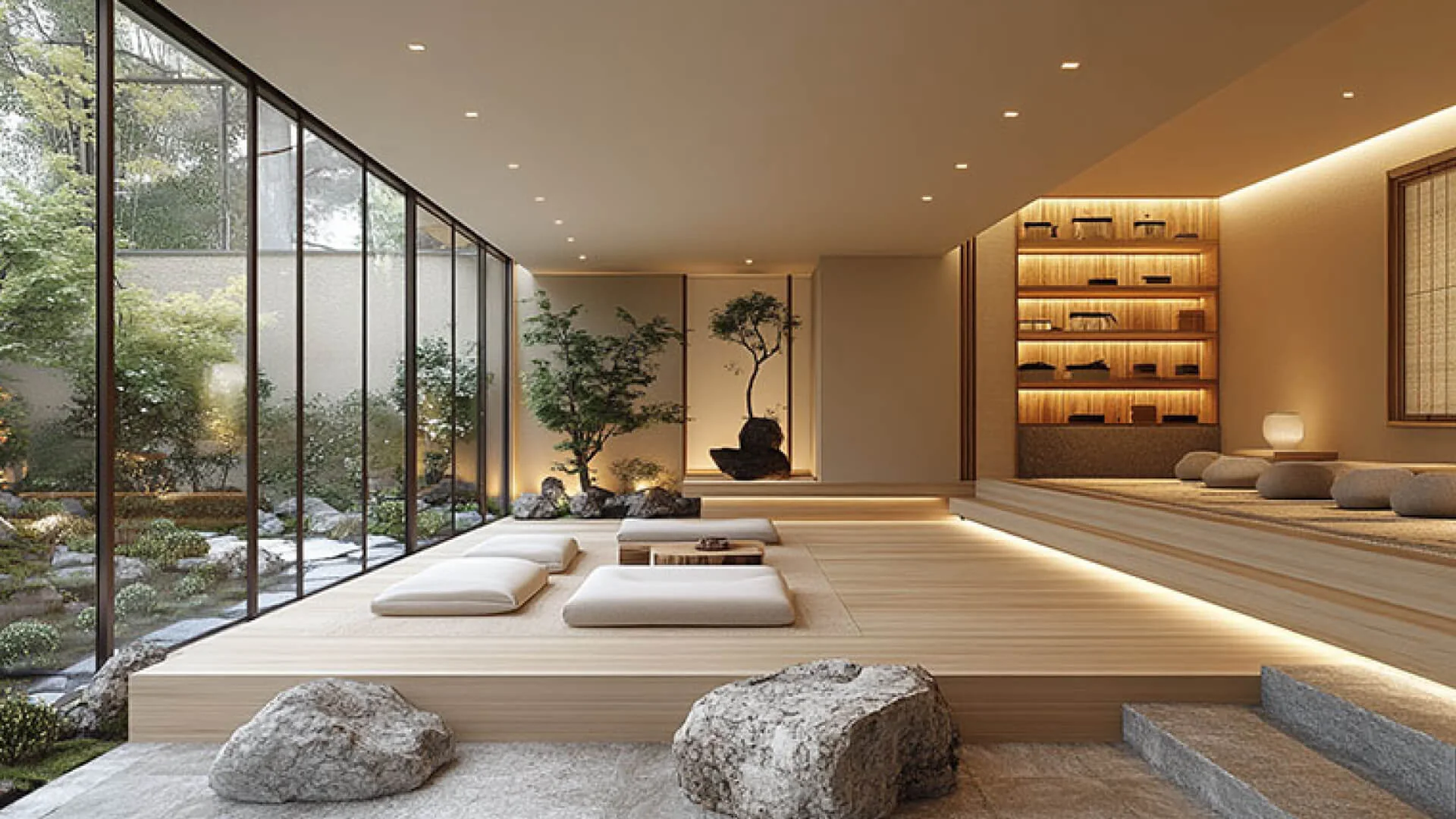
Daylight and the view beyond a window can help establish the room’s orientation. Be attentive to what is framed and what the furniture faces. Window treatments should respond to privacy and glare while remaining part of that relationship.
In the evening, a combination of sources can be more adaptable than a single bright ceiling fitting. Light the places where people read or gather, and consider the view from a seated position. Discuss dimming and compatibility when specifying fixtures; a calm appearance should still be straightforward to operate.
Use material differences with intention
Timber, fabric, stone and metal bring different qualities to a room. Their combination can provide interest without a large number of objects. Look at the relationship between a broad surface and the smaller details beside it: a floor and rug, a chair and table, a painted wall and the edge of a built-in.
Color belongs in that composition, but it does not have one universal emotional effect. The same shade can appear different beside another material or under changing light. Review samples together in the room and allow personal preference to inform the decision.
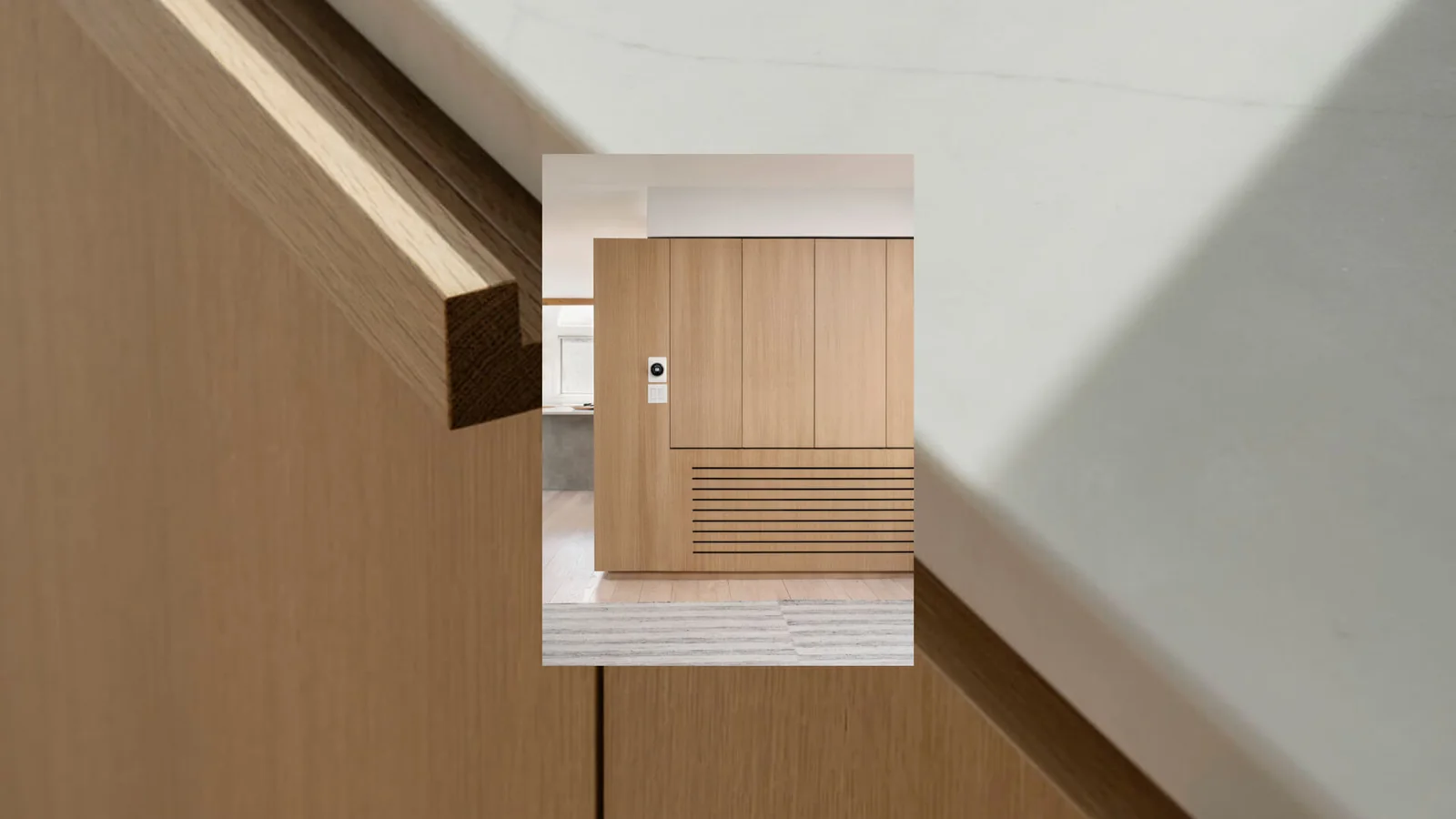
At our Morehouse Road home in Easton, retained kitchen millwork and original appliances sit alongside contemporary lighting and custom built-ins. Keeping well-made elements gave the newer work a familiar setting, rather than requiring every part of the home to start again.
Keep space for the familiar
Books, art and objects with an existing place in someone’s life give an interior more than visual variety. They help it remain recognizable to its occupants. Storage can reduce the amount that must stay on display, while leaving meaningful pieces visible and easy to enjoy.
For our work in Rye and wider Westchester County, comfort is part of the brief rather than an accessory added at the end. A room should accommodate a conversation, a quiet evening and the ordinary evidence of being lived in. The design succeeds when those things feel welcome.