
Carlo Scarpa: What We Notice Where Materials Meet
Some designers make you look at a building differently. Carlo Scarpa makes us look more closely at where its parts meet: the edge of a step, the depth of an opening or the interval between two materials.
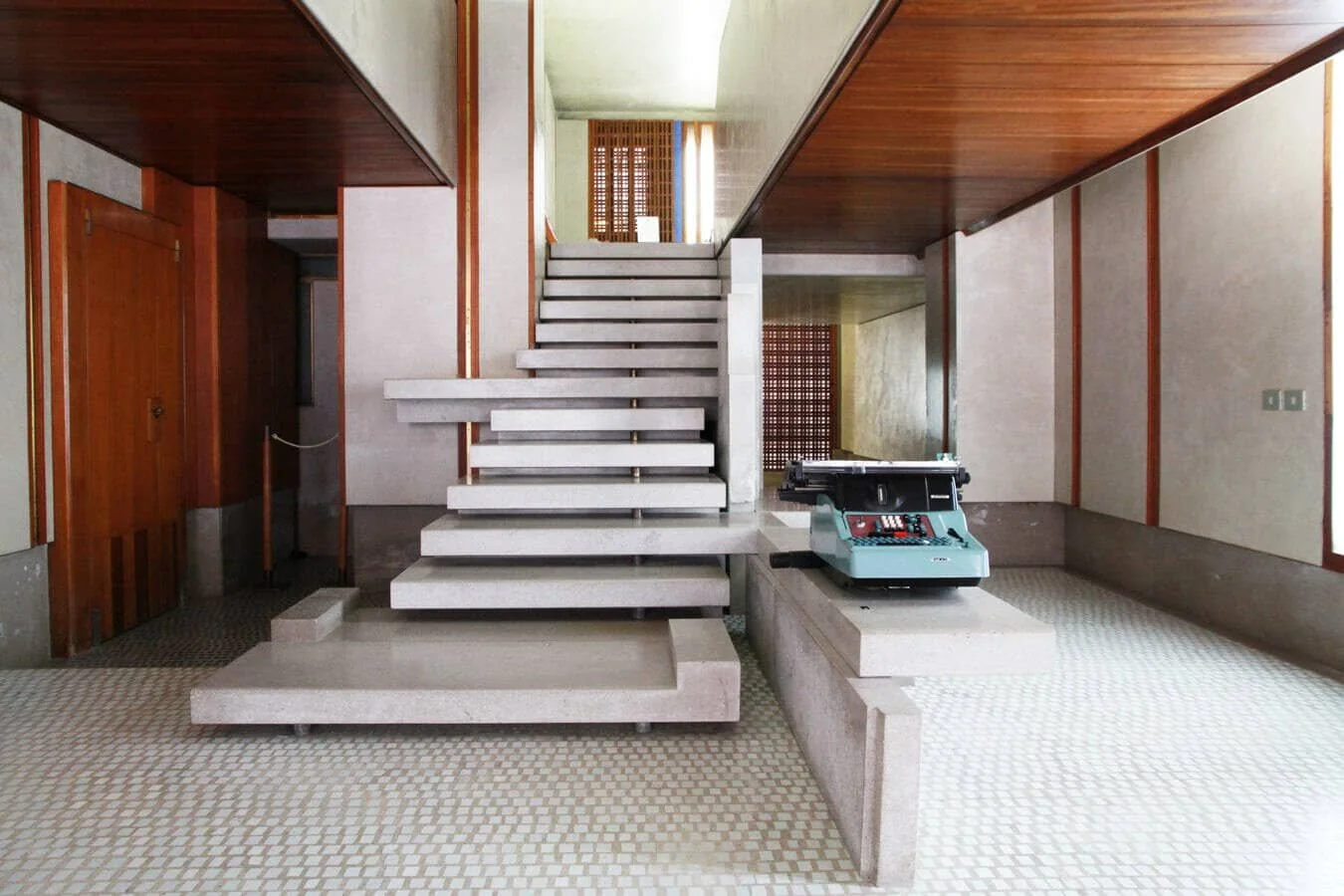
The Olivetti showroom in Venice, designed by Scarpa for Adriano Olivetti, is a useful place to begin. Its compact setting gives the staircase and the relationship between levels an unusual presence. The detail is not applied after the space has been organized. It is part of how the space is understood.
The junction becomes the idea
We are drawn to work in which the material has been considered all the way to its edge. A step is not only a horizontal surface; it is a thickness, a shadow and a relationship to the next step. A window is more than a hole in a wall; its surround can frame and alter the experience of looking through it.
That way of seeing encourages precision without requiring a room to become austere. Different textures and geometries can sit together when their meeting has been thought through.
Carry the observation, not the signature
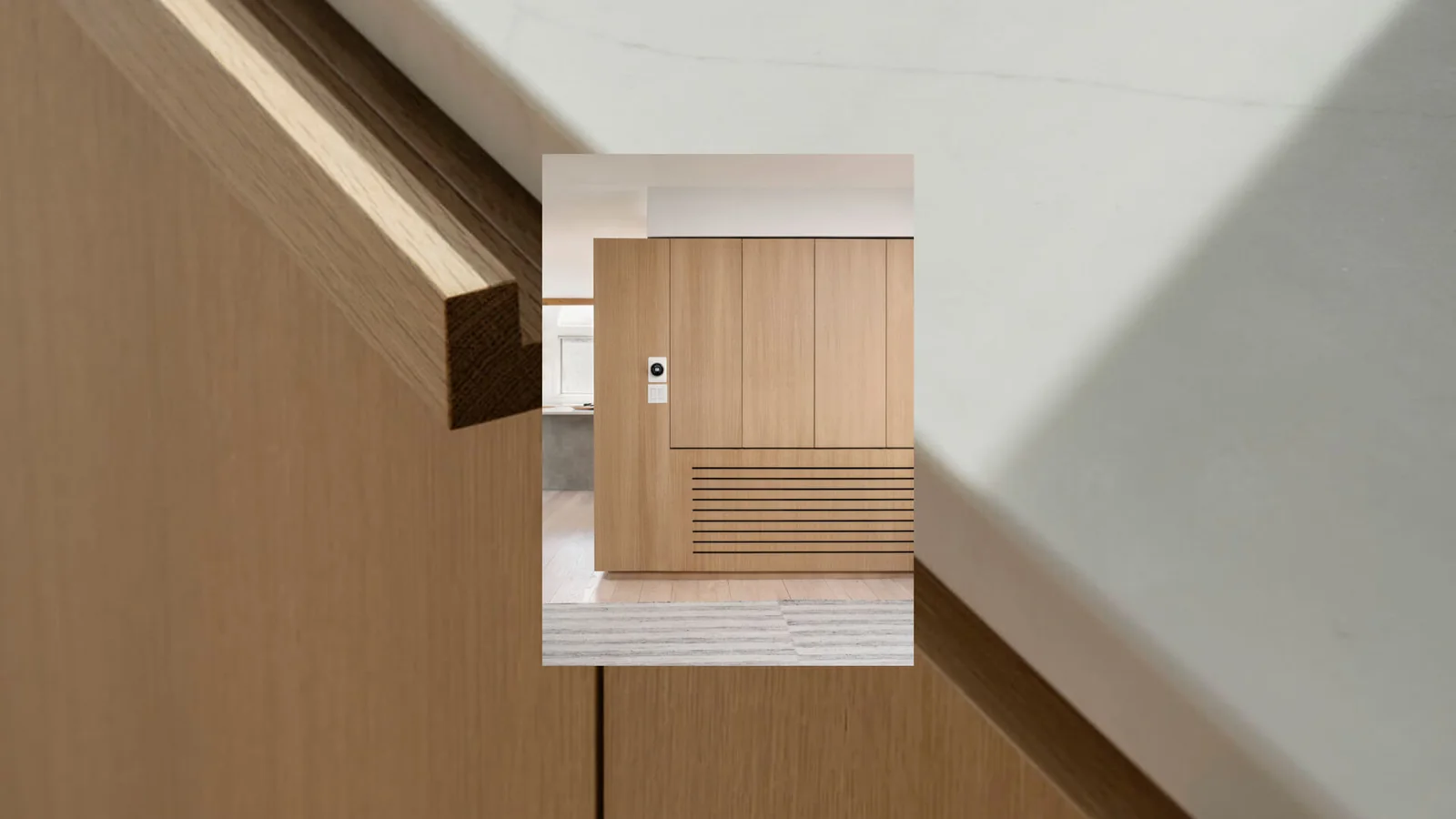
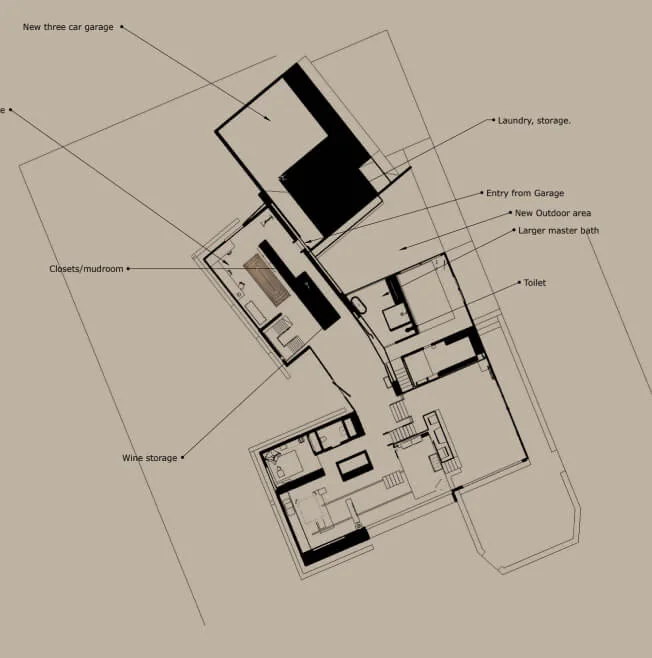
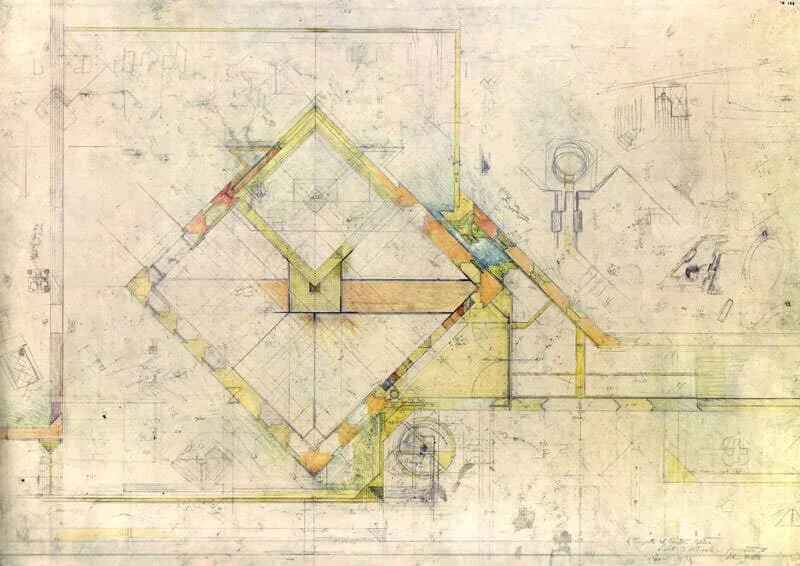
An influence is most useful when it changes the questions you ask. We do not need to reproduce Scarpa's details in a Connecticut home or a New York apartment. We can ask instead whether a cabinet edge, a transition in flooring or a light fitting belongs convincingly to the space around it.
A quiet interior may contain a considerable amount of work at that scale. Often the reward is that the finished room feels easier, not more complicated. Scarpa's work reminds us that a detail can be both technically precise and deeply felt.