Choosing a Statement Piece: Give It the Right Setting
A statement piece is not simply the largest or most expensive object in a room. It is something that gives the composition a direction: a chair with an unusual silhouette, a substantial artwork, a table whose material rewards a closer look. Its strength depends on what surrounds it.
The temptation is to choose several equally expressive things and expect them to make a room more interesting. Often the opposite happens. A clear hierarchy allows one element to hold attention while others provide support. That supporting role can be just as considered.
Know what the piece contributes
Choose something you want to live with, not merely something that will be noticed. A sculptural chair still needs a place in the way the room is used. An artwork may have a personal connection that matters more than its ability to coordinate with the sofa. A striking light must perform its lighting role as well as its visual one.
Ask whether the room needs a focal point or whether it already has one. A fireplace, a generous window or existing architectural detail can be enough. In that case, a new object might be better positioned in conversation with it than directly in competition.
Test scale in the actual setting
Measure the footprint and the height, then consider circulation, sightlines and neighbouring furniture. A large object may look comfortable in a generous room but still interrupt a doorway or a view. A smaller artwork can carry considerable presence if it has a clear setting and appropriate light.
Try a temporary outline or a mock-up before making a commitment. View the arrangement from the entrance and from the places where people will sit. A statement should make sense from more than one carefully selected photographic angle.
Use contrast with intention
A textured surface can stand out against a quieter background. A dark object can give definition to a pale room. An older piece may introduce a different rhythm to a contemporary interior. Contrast is most persuasive when there is also a relationship—through proportion, material or a recurring detail—that holds the composition together.
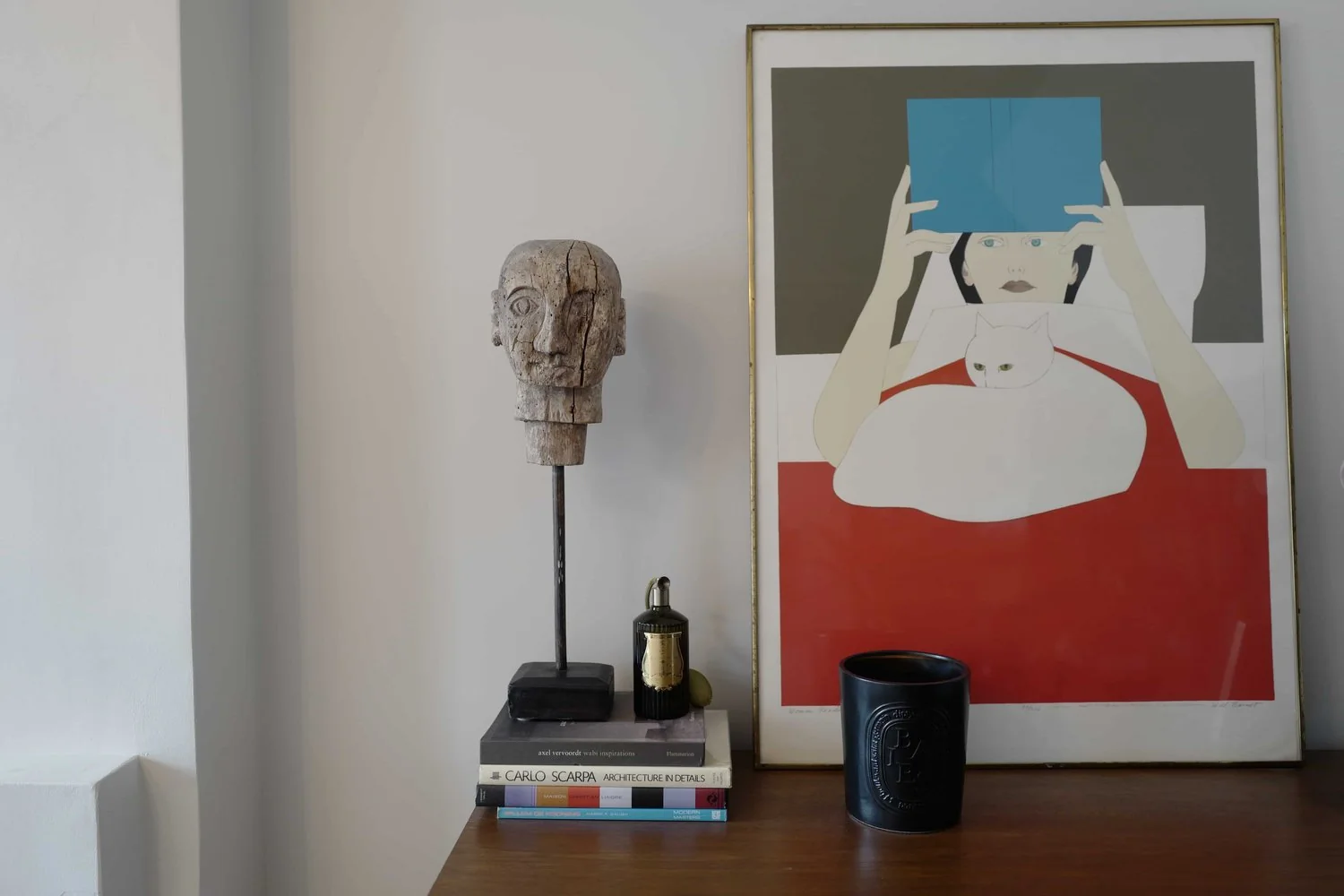
Allow enough space around the principal object for its qualities to be seen. This may mean editing smaller accessories rather than buying another feature. A simple neighbouring surface can be a generous design decision, giving the more expressive element room to work.
Build around what clients already value
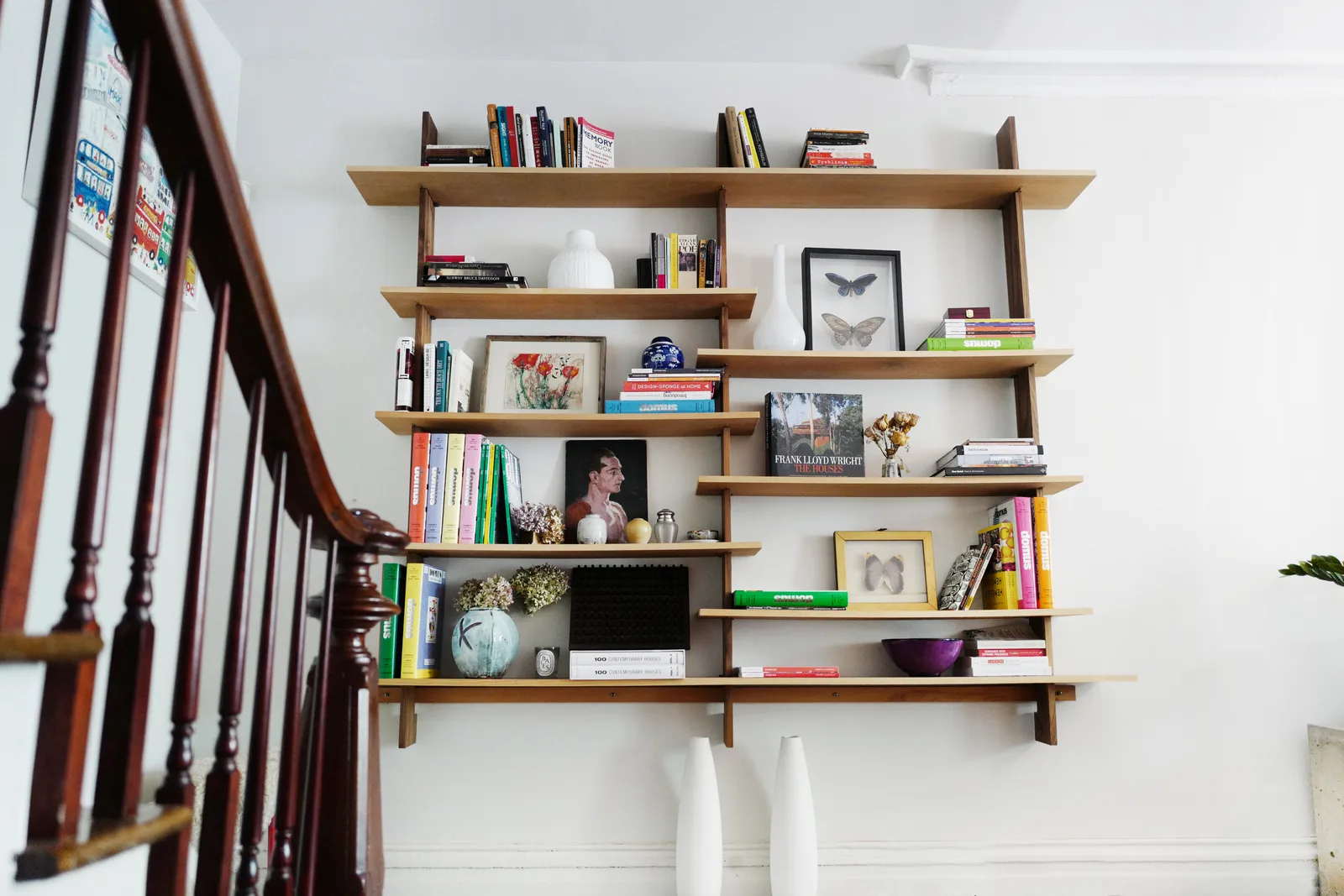
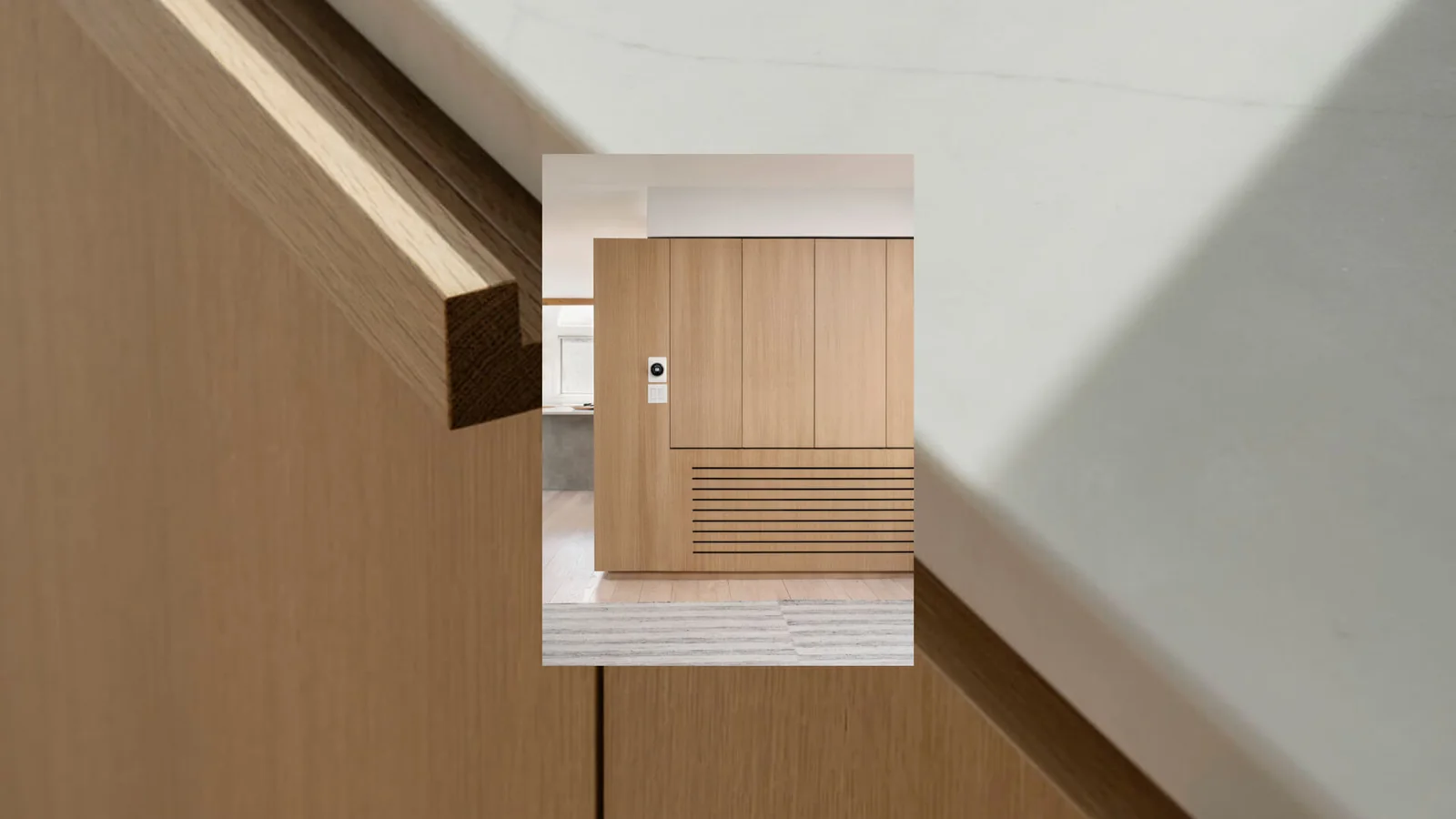
At our 52nd Street apartment in Manhattan, the clients valued design pieces and high-quality furnishings. Custom millwork and a considered interior brought those priorities into a cohesive home. The work was not about replacing a collection with a single style, but helping the pieces feel related to the space.
An important object can remain important as the rest of the room changes. Give it a useful role and a convincing setting, and the statement becomes less about display than about the particular character of the home.