Should You Buy Handmade Furniture? What Makes It Worthwhile
Buy handmade furniture when its fit, construction or material offers something important that the available alternatives do not. It can be a good choice for an unusual dimension or a piece you intend to keep and maintain. Handmade is not, by itself, a guarantee of comfort, durability or value.
Compare the actual pieces rather than their labels. Sit in a chair, inspect a sample, ask how a cabinet is constructed and find out what can be repaired. Those checks are more useful than assuming custom work is always better than store-bought furniture.
Begin with the need
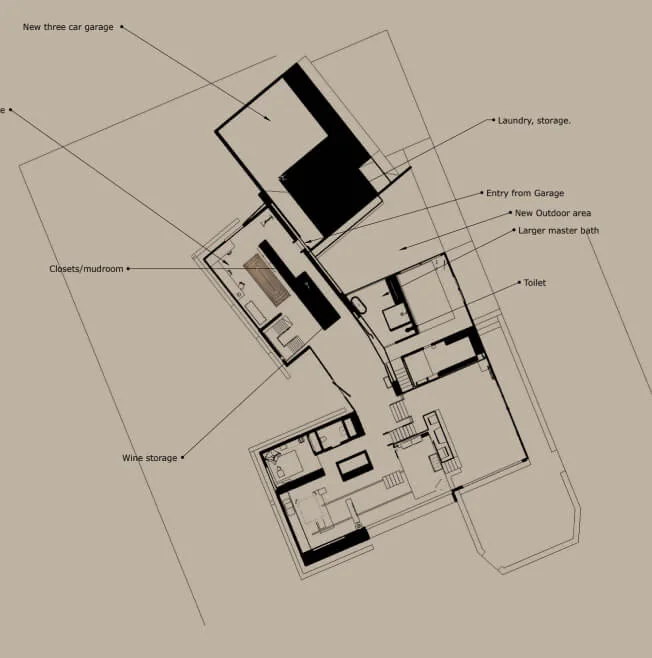
A custom desk may resolve an unusual room dimension. A dining table might need to accommodate a particular number of people without dominating the space. A built-in can bring storage and circulation into the same decision. Define that requirement before choosing the form.
Sometimes the right answer is already available, whether new, vintage or previously owned. Commissioning a piece makes sense when its specific fit, construction or material contributes something meaningful. It should not be an obligation simply because the rest of a room is carefully designed.
Look at the construction
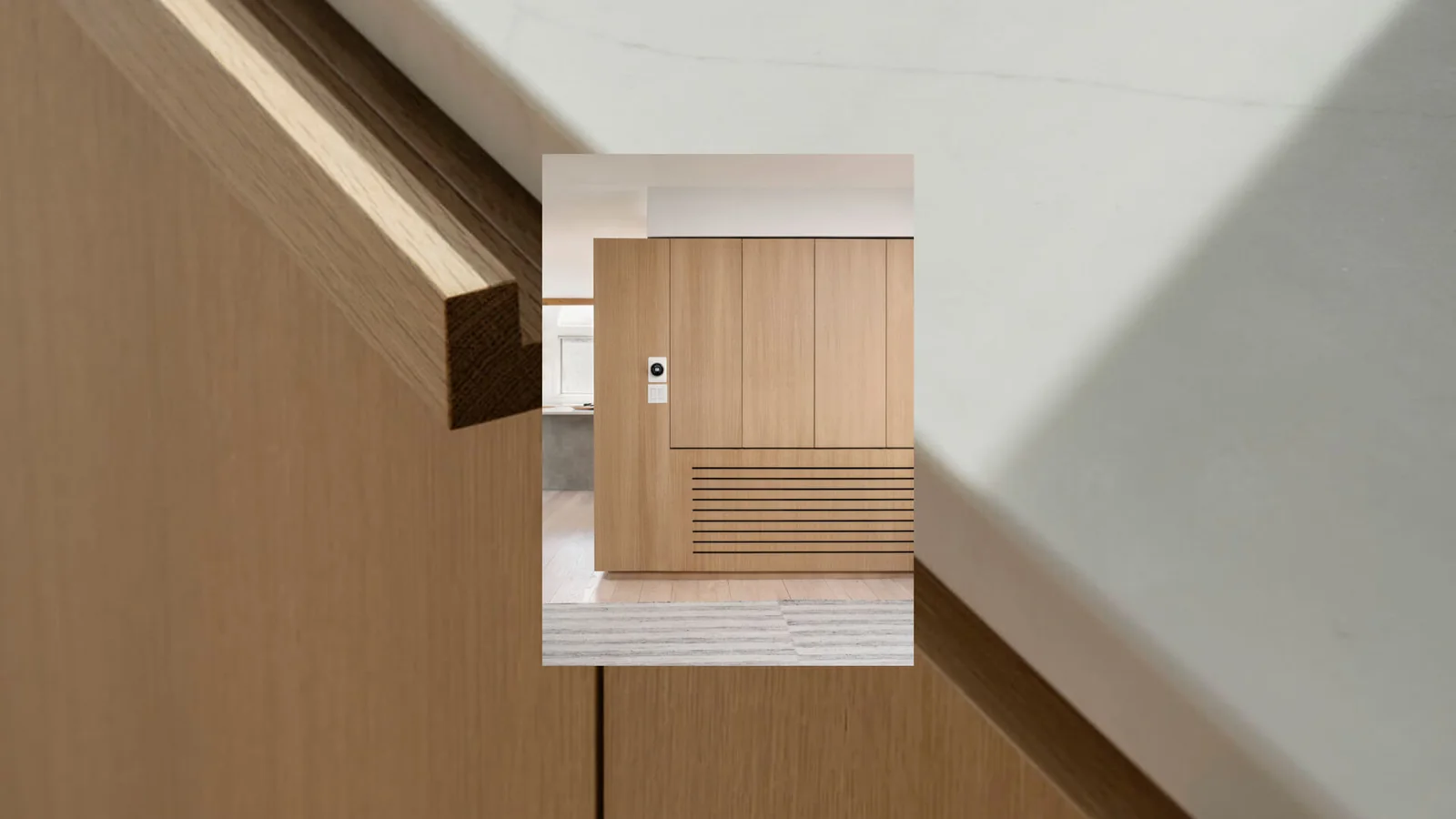
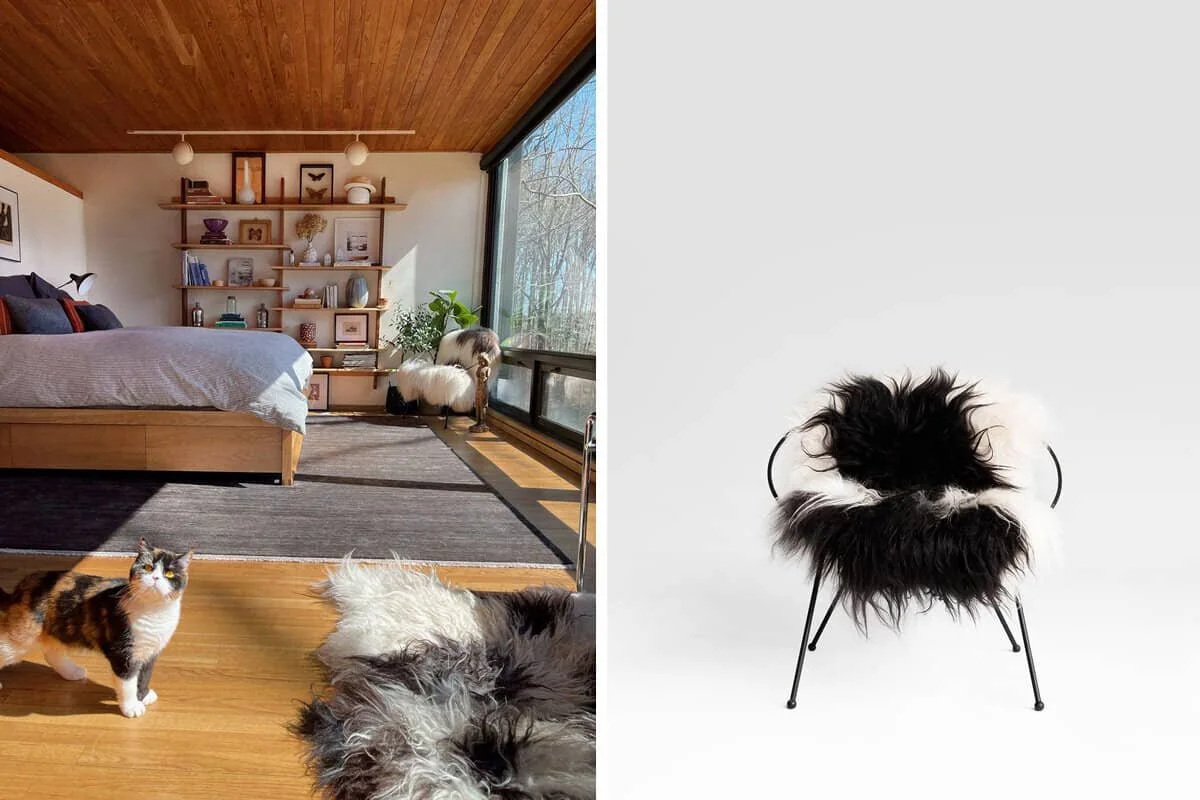
Ask how the piece is made, how it can be maintained and which components may eventually need repair or replacement. On cabinetry, consider edges, hardware and the relationship between moving parts. On seating, the structure beneath the upholstery matters as much as the fabric you first notice.
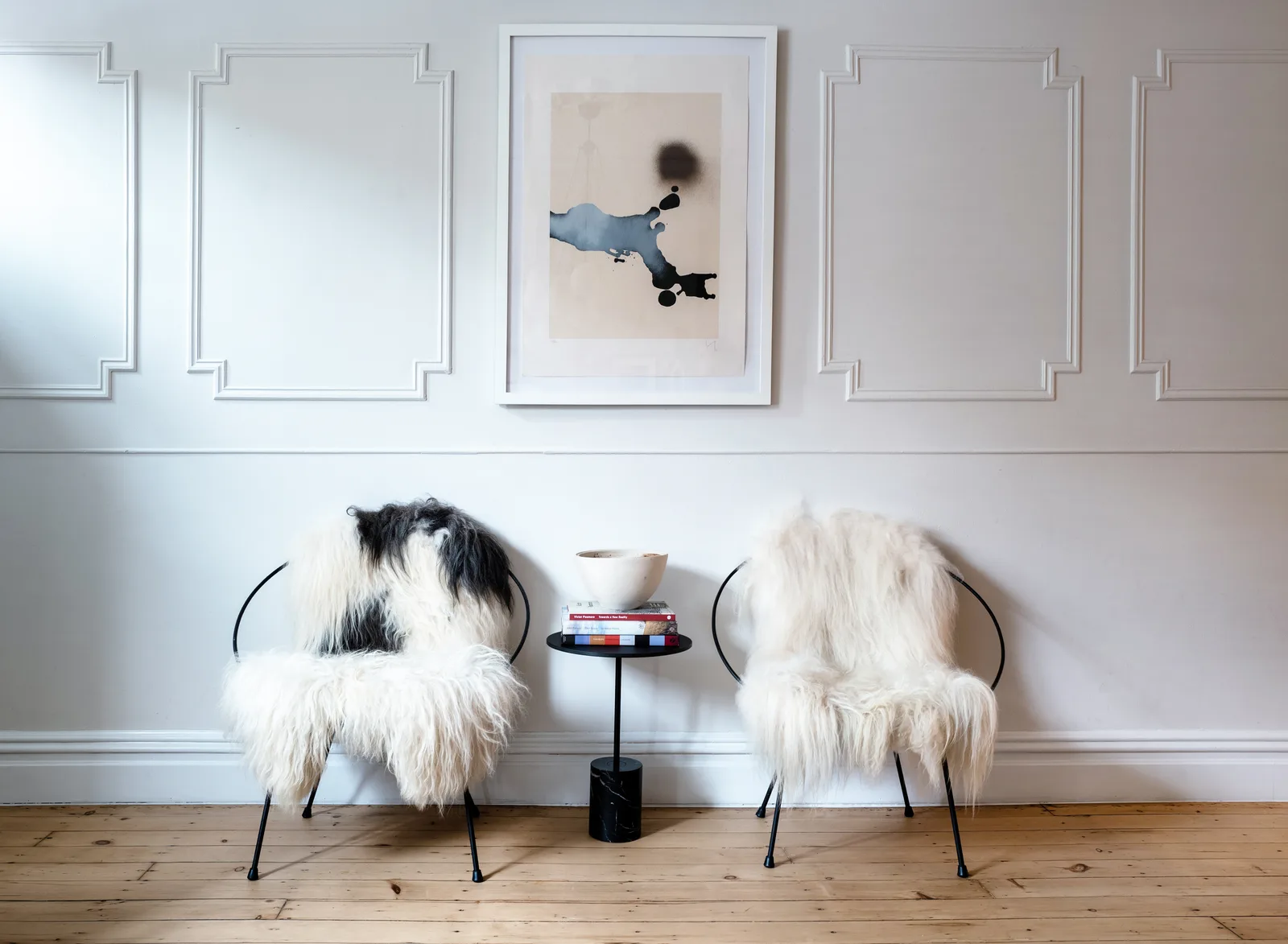
A fine finish cannot compensate for an uncomfortable proportion. Sit in a chair, inspect a sample or discuss a full-size detail where appropriate. Furniture is experienced by the body as well as the eye, and those everyday encounters determine whether a piece continues to be valued.
Treat the material as a decision
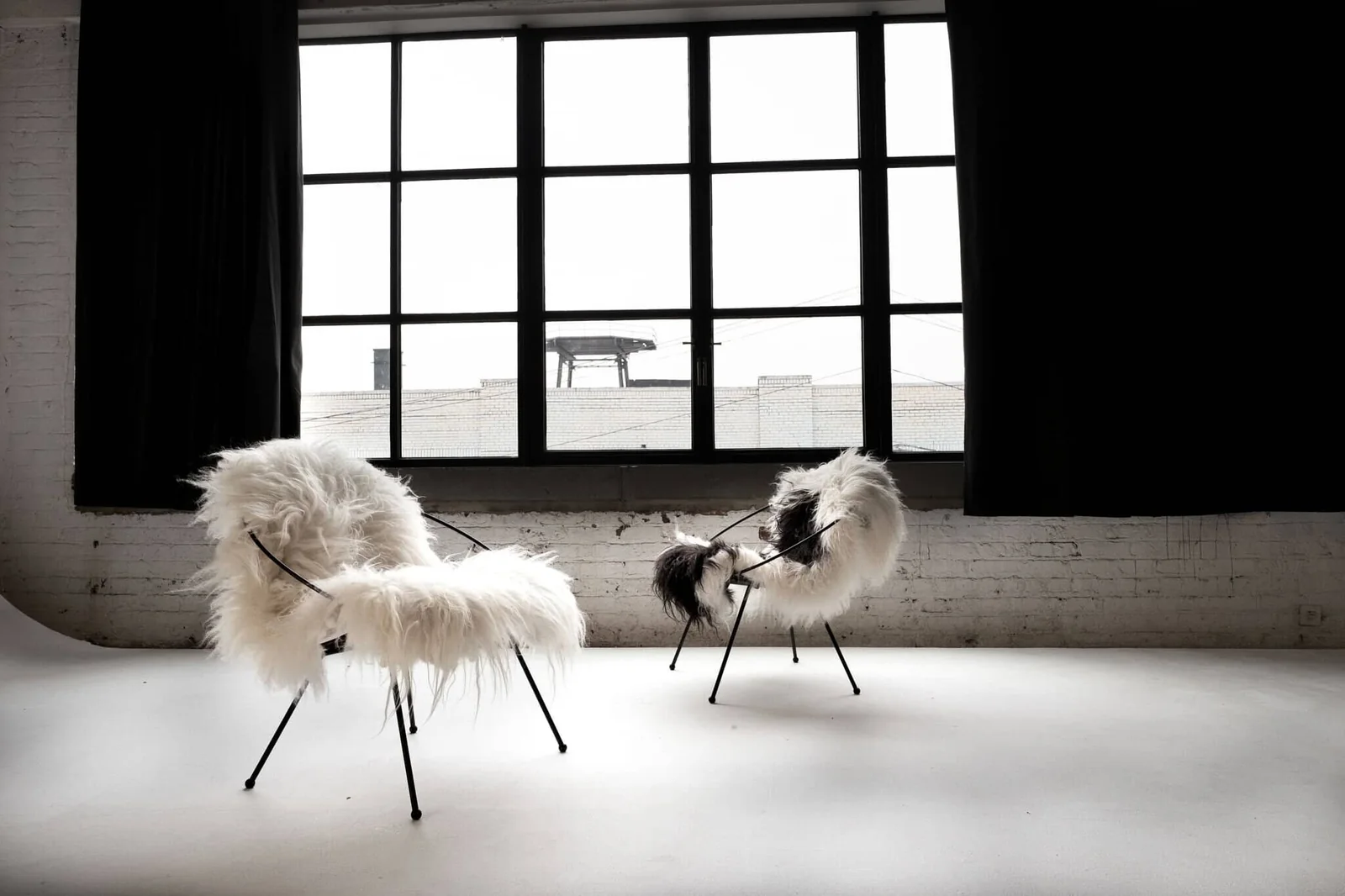
Wood grain, metal finish and stone variation can give a piece its character. They also introduce differences that should be understood rather than eliminated through an overly perfect reference image. Talk through the maker's sample and establish what variation is acceptable before fabrication.
At our own home in Easton, retaining well-made kitchen cabinetry was part of the renovation. Its continued usefulness gave us a foundation for contemporary updates. That experience is a reminder that longevity is not an abstract quality: it becomes visible when something is still doing its job.
Plan for making and living
A commissioned piece needs time for design, approval and fabrication. Discuss access, installation and future moves before its dimensions are fixed. The lowest initial price and the highest apparent level of customisation are both incomplete ways to judge it.
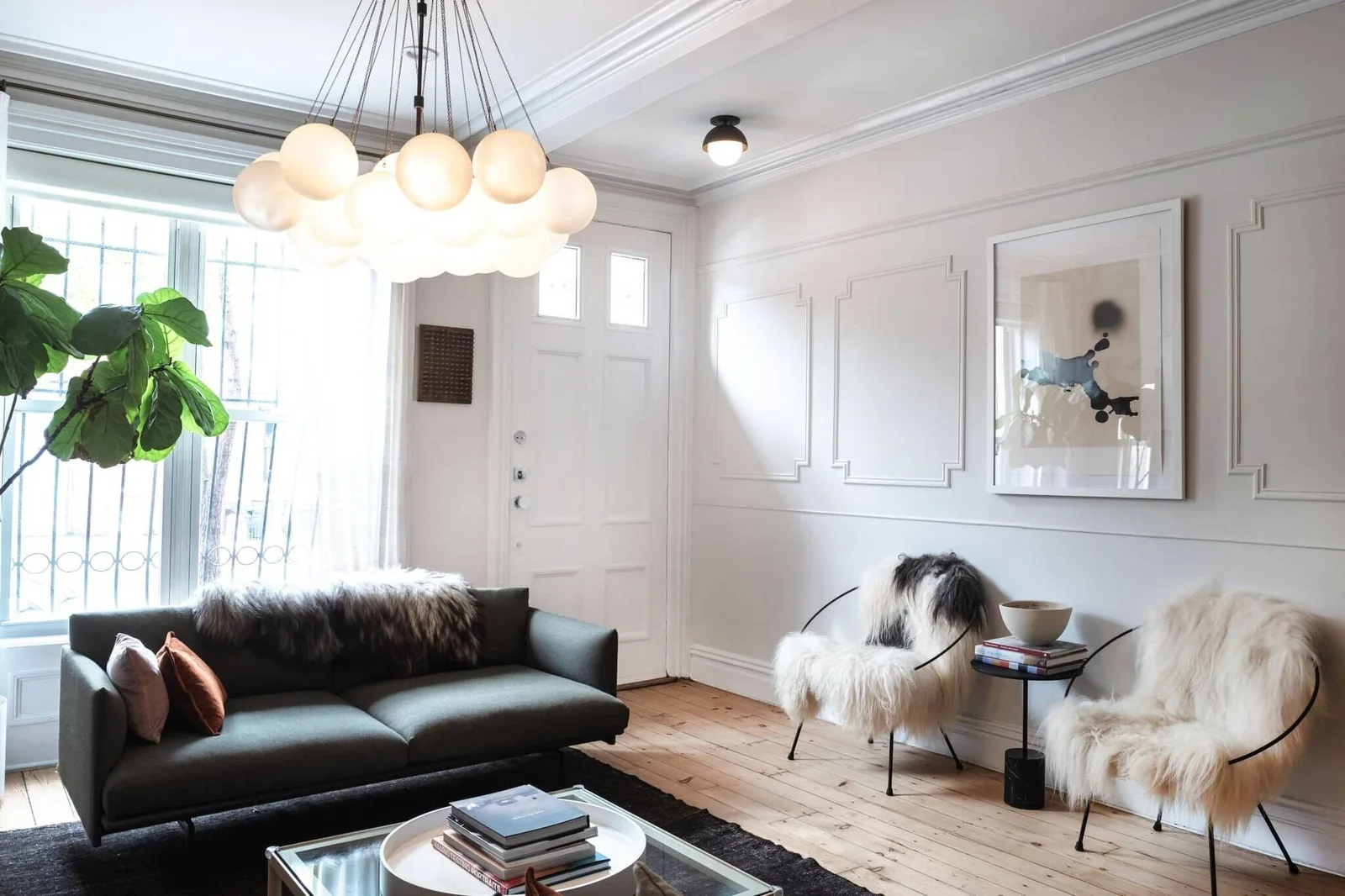
For homes across Connecticut and New York, a considered furniture plan can combine handmade pieces with existing favorites and carefully chosen standard designs. The coherence comes from the decisions that connect them, not from requiring everything to share the same origin.