10 Interior Design Trends From 2022, Revisited
Our 2022 guide highlighted ten interior design ideas. This updated reading keeps all ten visible while treating them as references from that period, not a claim about what is newest today. A trend is useful only when it helps solve a real question in the home.
1. Going green
Green can connect a palette to surrounding planting or provide a quieter background for timber and art. Test it against fixed finishes and changing light. Its popularity does not make every green suitable for every room, and there is no need to claim it is the most purchased color to assess its usefulness.
2. Warm browns
Cognac, camel and chocolate can appear through leather, timber, textiles or paint. Decide which surface carries the warmth rather than adding the same tone everywhere. Compare undertones with existing floors and cabinetry so the room feels connected rather than uniformly brown.
3. Monochromatic rooms
A limited color family can give a room coherence. Vary texture, sheen and depth within it to avoid making every surface visually identical. Choose the key material or object first, then use the rest of the palette to support it.
4. Spaces for working and retreat
The earlier guide reflected a growing attention to home offices, exercise and quieter activities. Begin with the task: privacy for calls, storage for equipment or a seat with useful reading light. A room becomes flexible through a plan for changing uses, not simply by holding more furniture.
5. Integrated technology
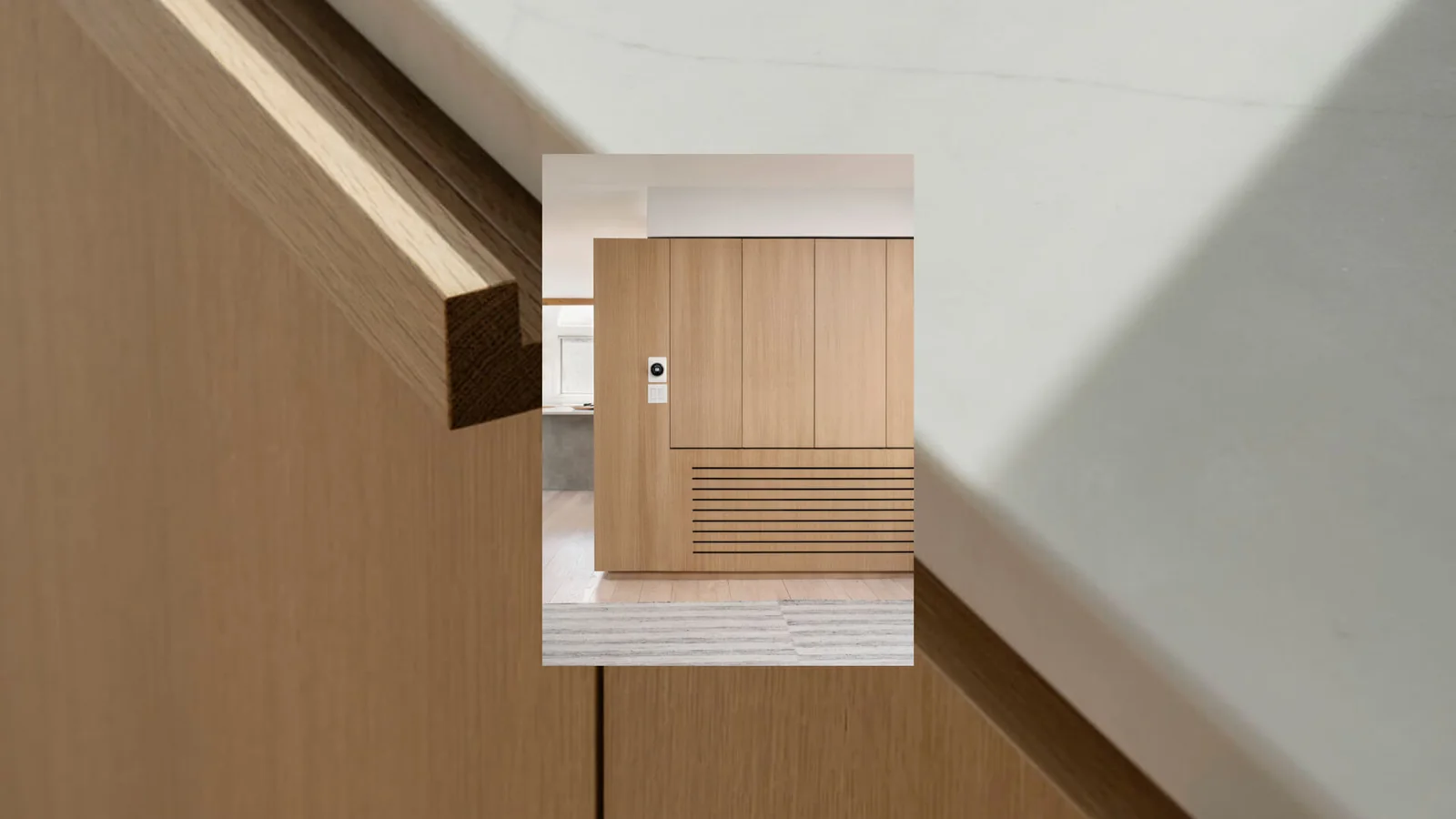
Concealed media and coordinated controls can keep equipment from dominating a room. At 52nd Street in Manhattan, custom millwork includes a concealed television. Consider operation, ventilation, access and eventual replacement alongside appearance.
6. Sculptural art and objects
A three-dimensional piece can establish a focal point through shape and shadow. Give it an appropriate setting and enough room to be experienced. It does not mean replacing paintings or filling every surface with sculpture; the selection should follow the client’s interest in the work.
7. More considered material use
Retaining serviceable pieces, specifying durable work and planning for maintenance can reduce unnecessary replacement. Ask what can be repaired before assuming a new purchase is the more responsible choice. Product environmental claims should be assessed for the actual item rather than accepted from a label alone.
8. Reimagined tradition
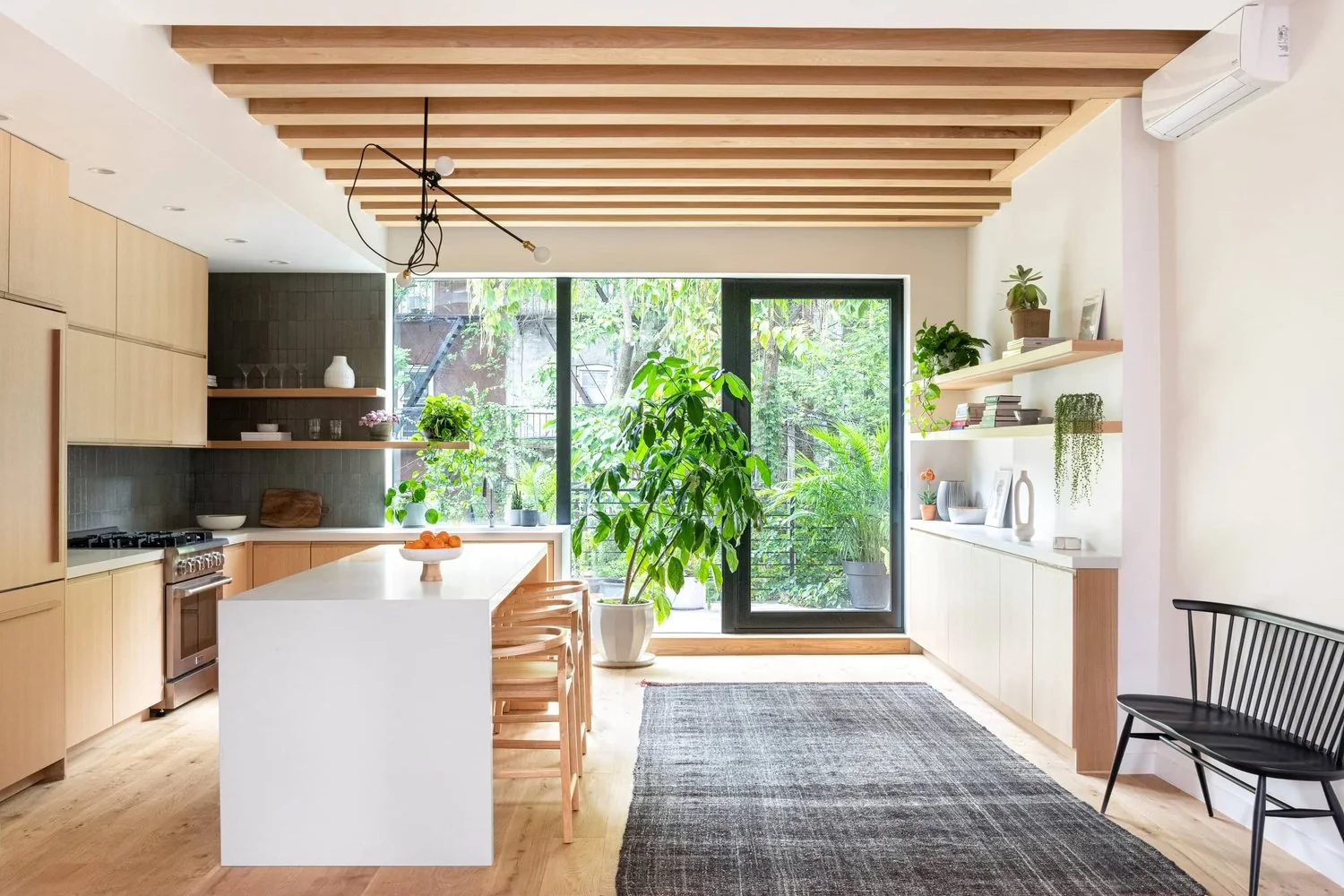
A contemporary kitchen can sit beside older beams without imitating them. Find the connection through scale, material and the details where new work meets existing fabric. The aim is to respect character while improving the way the home is used.
9. Scandinavian influences
The useful qualities in this reference include attention to proportion, craft and everyday comfort. Pale wood alone does not establish them. Choose furniture and materials for how they work in the particular room, rather than turning a style label into a shopping list.
10. Expressive natural texture
Stone, timber, ceramics and textiles can contribute character through their surfaces. Allow one or two relationships to lead instead of making every element conspicuous. Consider touch, cleaning and wear alongside the visual effect.
Across our Connecticut and New York interiors, the useful test is the same: does the idea serve the building and the people living in it? A dated trend list can still be informative when it explains choices rather than prescribing an annual makeover.